
Accessory Dwelling Units in Lincoln, NE
Lincoln is making it easier than ever to build an ADU on your property. Whether you call it a granny flat, a backyard cottage, or a casita—we've already built one, and we know exactly what it takes.
Let's Talk About Your Property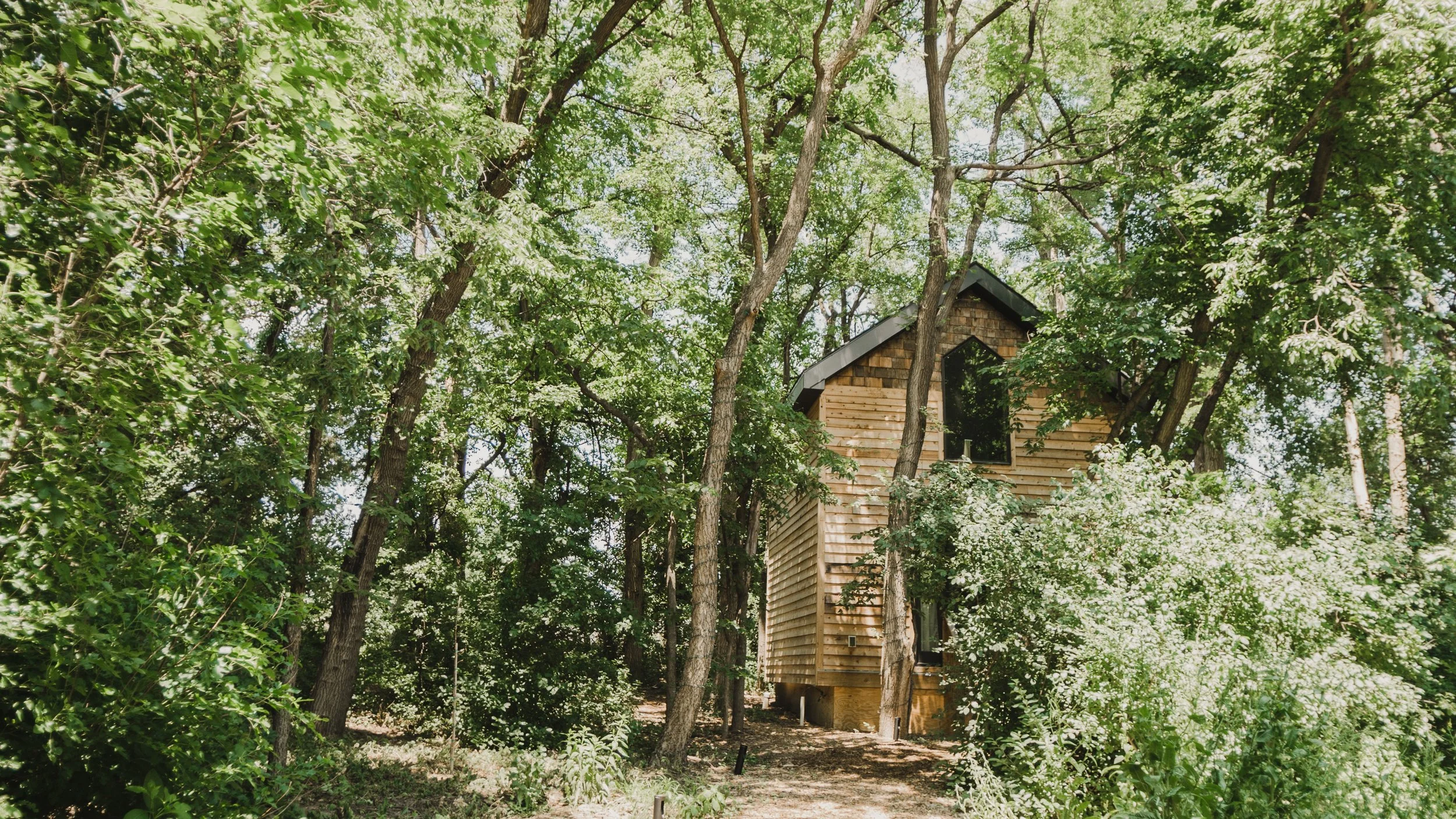
What Is an ADU?
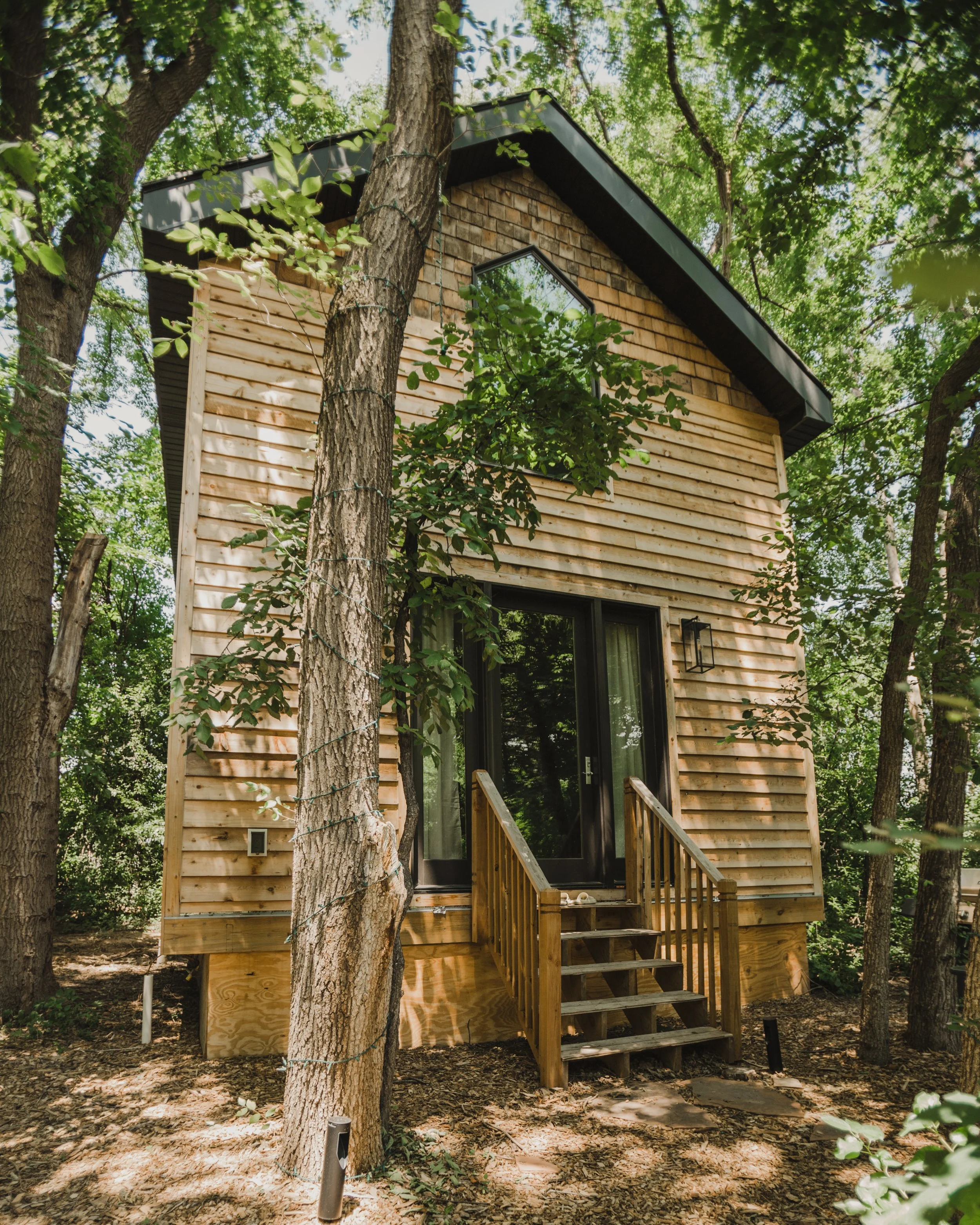
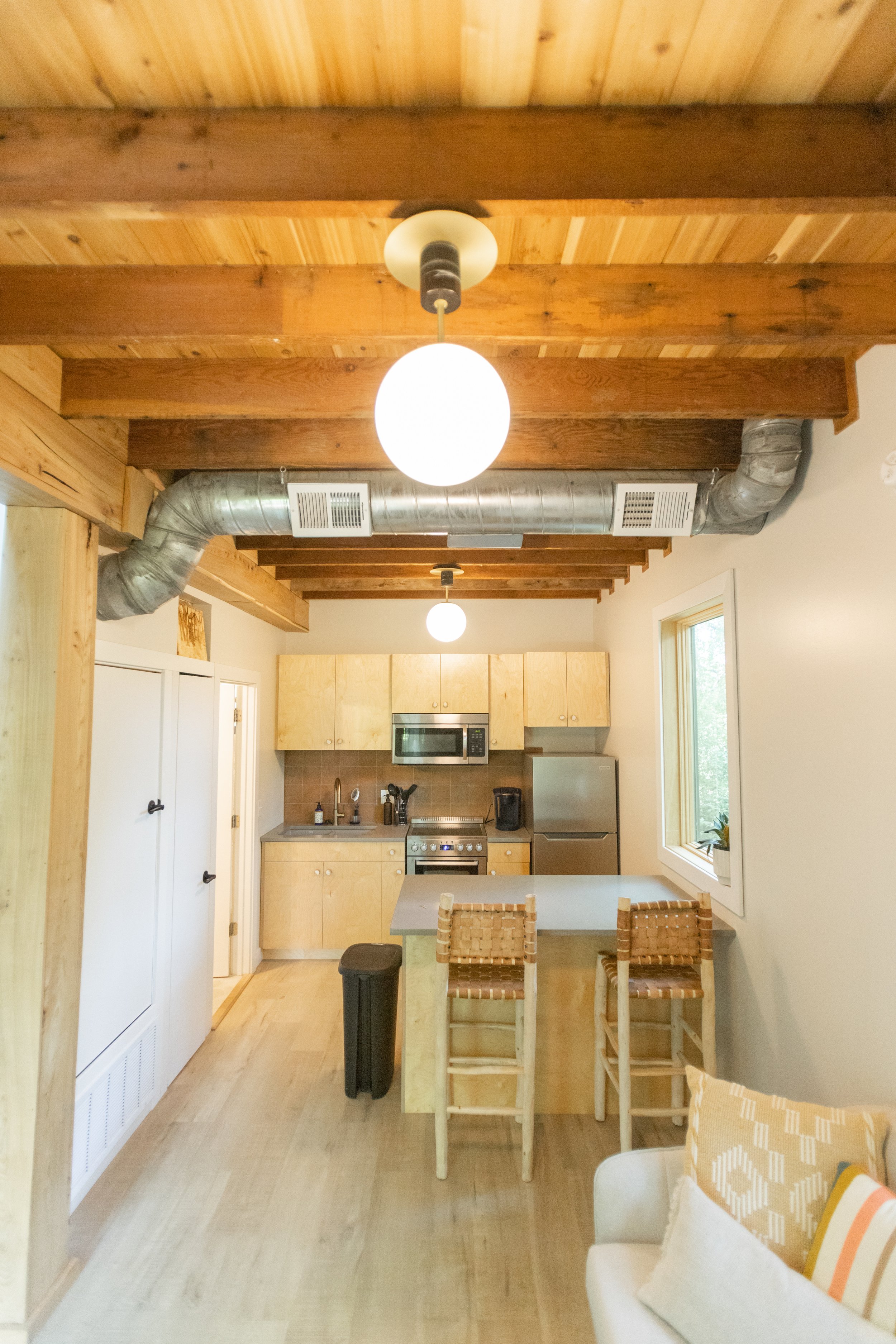
An accessory dwelling unit—ADU for short—is a smaller, self-contained living space built on the same lot as an existing home. You might hear them called granny flats, in-law suites, backyard cottages, or casitas. They all mean the same thing: a second home on your property, complete with its own kitchen, bathroom, and entrance.
Here's the thing about ADUs—they're not just a trend. They're one of the most practical ways to add living space, generate rental income, or keep family close without giving up privacy. And with Lincoln's proposed 2026 zoning changes, building one is about to get a lot more accessible.
Lincoln's 2026 ADU Zoning Changes: What You Need to Know
In February 2026, the City of Lincoln proposed sweeping updates to its ADU guidelines. The core change: instead of requiring your lot to be large enough for a two-family dwelling (like a duplex), you'd only need to meet the minimum lot size for a single-family home. That one shift takes eligibility from 24% of residential parcels to roughly 80%.
Mayor Leirion Gaylor Baird announced the proposal at a February 5, 2026 press conference, calling ADUs a path to more affordable housing and income opportunities for homeowners. Planning Director David Cary confirmed the eligibility numbers. The proposal heads to the Lincoln-Lancaster County Planning Commission in early March 2026, then to City Council for a vote.
As Charlie Wesche, CEO of NeighborWorks Lincoln, put it: ADUs "add gentle density to existing neighborhoods without altering their fabric."
Current Rules vs. Proposed Changes
| Regulation | Current Rules | Proposed 2026 Changes |
|---|---|---|
| Lot Eligibility | Must meet two-family dwelling lot size (~24% of parcels qualify) | Only needs single-family dwelling lot size (~80% of R-1 through R-4 parcels qualify) |
| Max Size | Lesser of 40% of main home sq ft or 800 sq ft | 800 sq ft cap expected to remain; ADU floor area no longer counts toward your lot's max accessory floor area |
| Height | ADU cannot exceed height of main building | Height restriction removed—ADU follows standard zoning district height limits. Detached ADUs in setback areas still follow accessory building height rules |
| Setbacks | Standard setback requirements | Attached ADUs: must meet main building setbacks. Detached ADUs: follow accessory building setbacks, minimum 60 ft from front lot line. Windows and openings must be at least 5 ft from rear/side lot lines |
| Bedrooms | Maximum of 1 bedroom | 1 bedroom maximum expected to remain |
| Owner Occupancy | Owner must live on property (main home or ADU) | Still required—expanded to include a person with "controlling interest or who is the beneficiary of any legal entity owning the lot" (covers LLCs and trusts) |
| Short-Term Rentals | Not specifically addressed for ADUs | Only one short-term rental allowed per property. Your ADU can be the short-term rental, but you can't operate both an ADU rental and a separate STR on the same lot |
| Parking | 1 additional stall required (separate from main home) | Parking requirement expected to remain |
| Deed Restriction | ADU cannot be sold separately from main home | Expected to remain |
| Utilities | Must share connections with main building | Shared utilities expected to remain |
Updated as of February 13, 2026. Regulations are still moving through the approval process. For the most current information, visit the City of Lincoln's official ADU Text Amendment page, which includes the full draft language and attachments.
The City's Development Services also offers pre-application reviews for proposed ADU plans—and we can help you navigate that process.
Why Lincoln Homeowners Are Considering ADUs
Rental Income
A well-built ADU on your property can generate consistent monthly income. For many Lincoln homeowners, that's enough to offset a significant portion of their mortgage—or fund the next project.
Keep Family Close
An aging parent who needs to be nearby but wants their own space. An adult child saving for their first home. An ADU gives your family proximity and independence at the same time.
Property Value
A quality ADU adds usable square footage to your property. It's not just a building—it's an asset that works whether you rent it, use it for family, or sell the property down the road.
Flexible Use
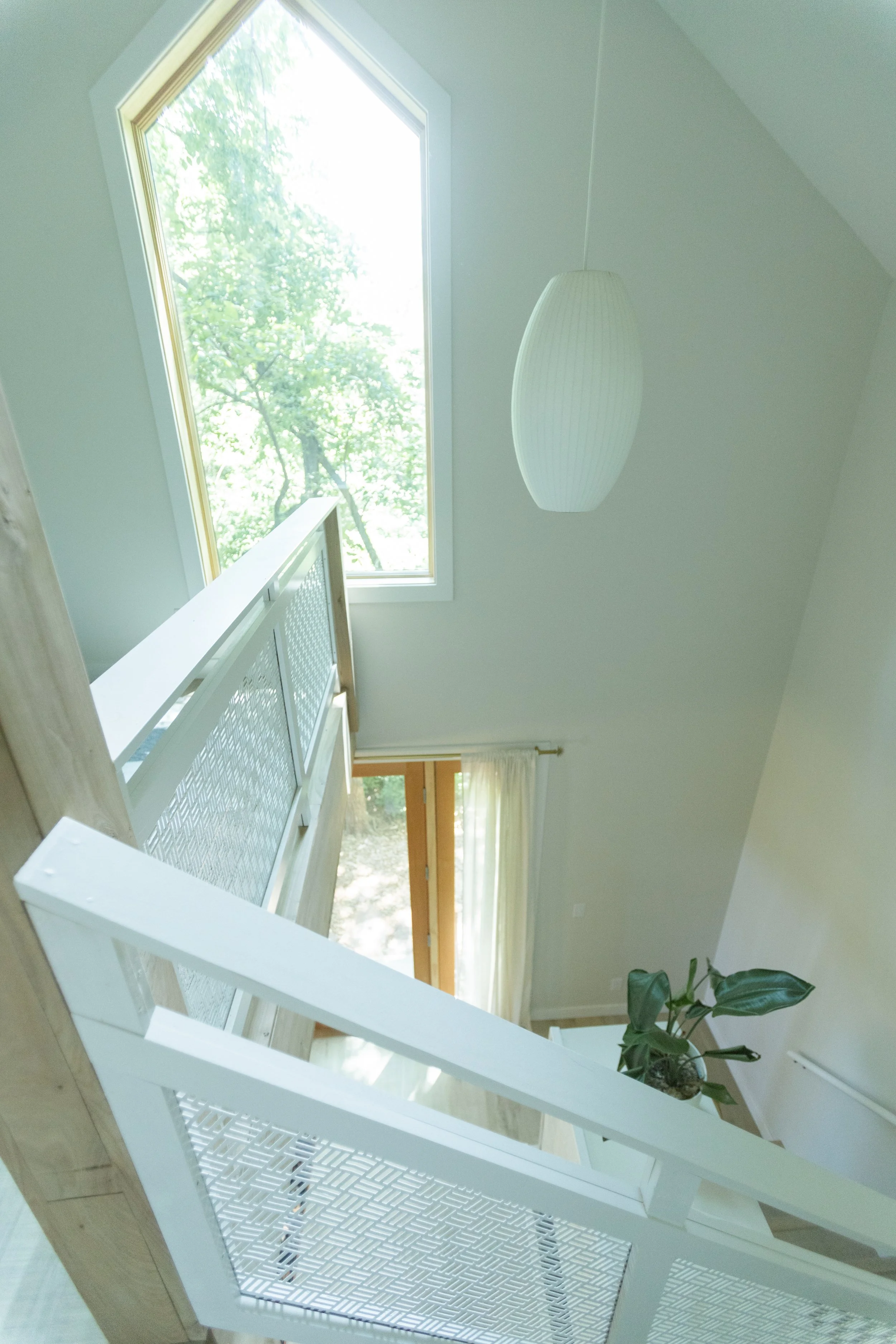
Home office. Guest house. Creative studio. Long-term rental. Short-term rental (one per property under the proposed rules). The function can change as your life does. That's the advantage of a well-designed, self-contained space.
Why Lincoln Homeowners Are Considering ADUs
Rental Income
A well-built ADU on your property can generate consistent monthly income. For many Lincoln homeowners, that's enough to offset a significant portion of their mortgage—or fund the next project.
Keep Family Close
An aging parent who needs to be nearby but wants their own space. An adult child saving for their first home. An ADU gives your family proximity and independence at the same time.
Property Value
A quality ADU adds usable square footage to your property. It's not just a building—it's an asset that works whether you rent it, use it for family, or sell the property down the road.
Flexible Use
Home office. Guest house. Creative studio. Long-term rental. Short-term rental (one per property under the proposed rules). The function can change as your life does. That's the advantage of a well-designed, self-contained space.
What Does It Cost to Build an ADU in Lincoln, NE?
Let me be direct with you: building a quality ADU isn't cheap, and anyone who tells you otherwise is cutting corners you'll pay for later. Here's what we're seeing in the Lincoln market:
| ADU Type | Estimated Range | What's Included |
|---|---|---|
| Garage Conversion | $80,000 – $150,000 | Converting existing structure, adding kitchen/bath, insulation, HVAC, finishes |
| Detached New Build (400–600 sq ft) | $150,000 – $250,000 | Foundation, framing, full MEP, kitchen, bathroom, finishes, site work |
| Detached New Build (600–800 sq ft) | $200,000 – $350,000+ | Larger footprint, higher-end finishes, more complex site conditions |
These ranges reflect the same standard of construction we bring to our custom homes and remodels. Every sub-contractor bids your actual project—not a guess, not an average. That's how we avoid the surprises that give contractors a bad name.
What affects cost the most? Site conditions (utilities, grading, access), the complexity of the design, and the level of finishes. A straightforward backyard build on flat ground with standard finishes is very different from a sloped lot with custom millwork and premium fixtures.
We're about 30% more expensive than other contractors. The reason is process—we don't guess at pricing, we have all our subs actually bid your project. We include design services. And we use a project superintendent who's there every day. You're either investing in a process that works, or paying twice—once for cheap, once to fix it.
How Carlson Projects Builds ADUs
We build ADUs with the same design-build process we use for our custom homes and major remodels. That means one team handles everything—design, permitting, construction, and finishes. No finger-pointing between architects and builders. No blame game. It's all on us.
1. Site Evaluation & Feasibility
We start by reviewing your lot, zoning district, and what Lincoln's ADU regulations allow for your specific property. Not every lot is the same, and the details matter—setbacks, utility access, grading, and how the ADU connects to your existing home.
2. Design
Our design concierge works with you to plan the layout, select finishes, and make sure the space actually functions the way you need it to. You'll see CAD drawings before we break ground—so there are no surprises.
3. Permitting & Approvals
ADUs in Lincoln require navigating zoning codes, building permits, and potentially a pre-application review with Development Services. We handle all of it. This is one of the advantages of working with a firm that's been building in Lincoln for 30 years—we know the process, the departments, and the requirements.
4. Construction
Same superintendent, start to finish. Daily coordination with our trade partners. You'll have full visibility through BuilderTrend, our project management software, so you always know where things stand.
5. Final Walkthrough
We don't hand you keys until everything meets our standard—and yours. The punch list gets done, the details get right, and the space is ready to use.
Frequently Asked Questions About ADUs in Lincoln, NE
Can I build an ADU on my property in Lincoln?
Under current regulations, about 24% of residential parcels in Lincoln meet the lot size requirements. If the proposed 2026 changes are approved, that number jumps to 80% of single-family parcels in R-1 through R-4 zoning districts. We can help you determine whether your specific lot qualifies—start with a site evaluation.
Do I have to live on the property if I build an ADU?
Yes—the property owner must occupy either the main home or the ADU. The 2026 proposal keeps this requirement but expands the definition to include anyone with a "controlling interest or who is the beneficiary of any legal entity owning the lot." In practice, that means if you own the property through an LLC or trust, you can still qualify.
Can I rent out my ADU?
Yes, as long as you meet the owner-occupancy requirement (living on the property). You can use your ADU as a long-term rental or a short-term rental. One important detail from the 2026 proposal: only one short-term rental is allowed per property. So your ADU can be a short-term rental, but you can't also operate a separate STR on the same lot.
How long does it take to build an ADU?
For a new detached ADU, expect 4–8 months from design through completion, depending on complexity and permitting timelines. A garage conversion may be faster at 3–5 months. The design and permitting phase typically takes 6–10 weeks before construction begins. Here's the thing—that planning time isn't wasted. It's how we avoid the problems that come from rushing.
How big can an ADU be in Lincoln?
Current regulations cap ADUs at the lesser of 40% of the main home's square footage or 800 square feet, with a maximum of one bedroom. The 2026 proposal isn't expected to change the size cap, but here's a meaningful update: ADU floor area would no longer count toward your lot's maximum allowable accessory floor area. That means if you already have a large garage or shed, it won't eat into your ADU allowance. Even within 800 square feet, thoughtful design makes a significant difference in how the space lives—that's where our design concierge process really matters.
What are the setback rules for an ADU?
Under the proposed 2026 rules: if your ADU is attached to the main house, it follows the same setback requirements as the primary residence. If it's detached, it follows accessory building setback requirements and must be at least 60 feet from the front lot line. Any windows or openings need to be at least 5 feet from rear and side lot lines. These details matter for site planning—it's something we evaluate early in the process.
Can my ADU be taller than my house?
Under current rules, no—the ADU can't exceed the height of the main building. The 2026 proposal eliminates that restriction. Instead, ADUs would follow the standard height limits for your zoning district, just like any other structure. Detached ADUs built within setback areas would still need to comply with accessory building height rules.
Can I use my ADU as a short-term rental (Airbnb)?
Under the proposed rules, yes—but with a limit. Only one short-term rental is allowed per property. Your ADU can serve that function, but you can't operate both an ADU rental and a separate short-term rental on the same lot. If long-term rental income is the goal, there's no such restriction.
Do I need separate utilities for an ADU?
Under current Lincoln rules, the ADU must share utility connections with the main building. This simplifies some aspects of construction but requires careful planning for HVAC, electrical capacity, and plumbing. We evaluate your existing systems as part of the feasibility review to make sure the main home's infrastructure can handle the additional load.
Can I sell my ADU separately from my home?
No. Lincoln requires a deed restriction ensuring the ADU cannot be sold separately from the main property. The ADU stays with the lot. This is expected to remain in the 2026 proposal.
What's the difference between an ADU and a home addition?
An addition extends your existing home—same roof, same structure, more space. An ADU is a separate, self-contained dwelling with its own entrance, kitchen, and bathroom. Both add value and livable space, but they serve different purposes. If you're not sure which is right for your situation, that's exactly the kind of conversation we have in our initial consultation.
Thinking About an ADU?
Whether you're waiting for the 2026 rules to pass or your lot already qualifies, the best time to start planning is now. Design, permitting, and material lead times mean that the homeowners who start the conversation early are the ones who break ground when they're ready—not six months after.
We've been building in Lincoln for 30 years. We know the zoning code, we know the permitting process, and we know how to build a small structure that doesn't feel small.
Let's start with your lot. Tell us what you're thinking, and we'll tell you what's possible.
Start the ConversationOr call Stefan directly: (402) 420-5808